

How Accurate are Due Dates?
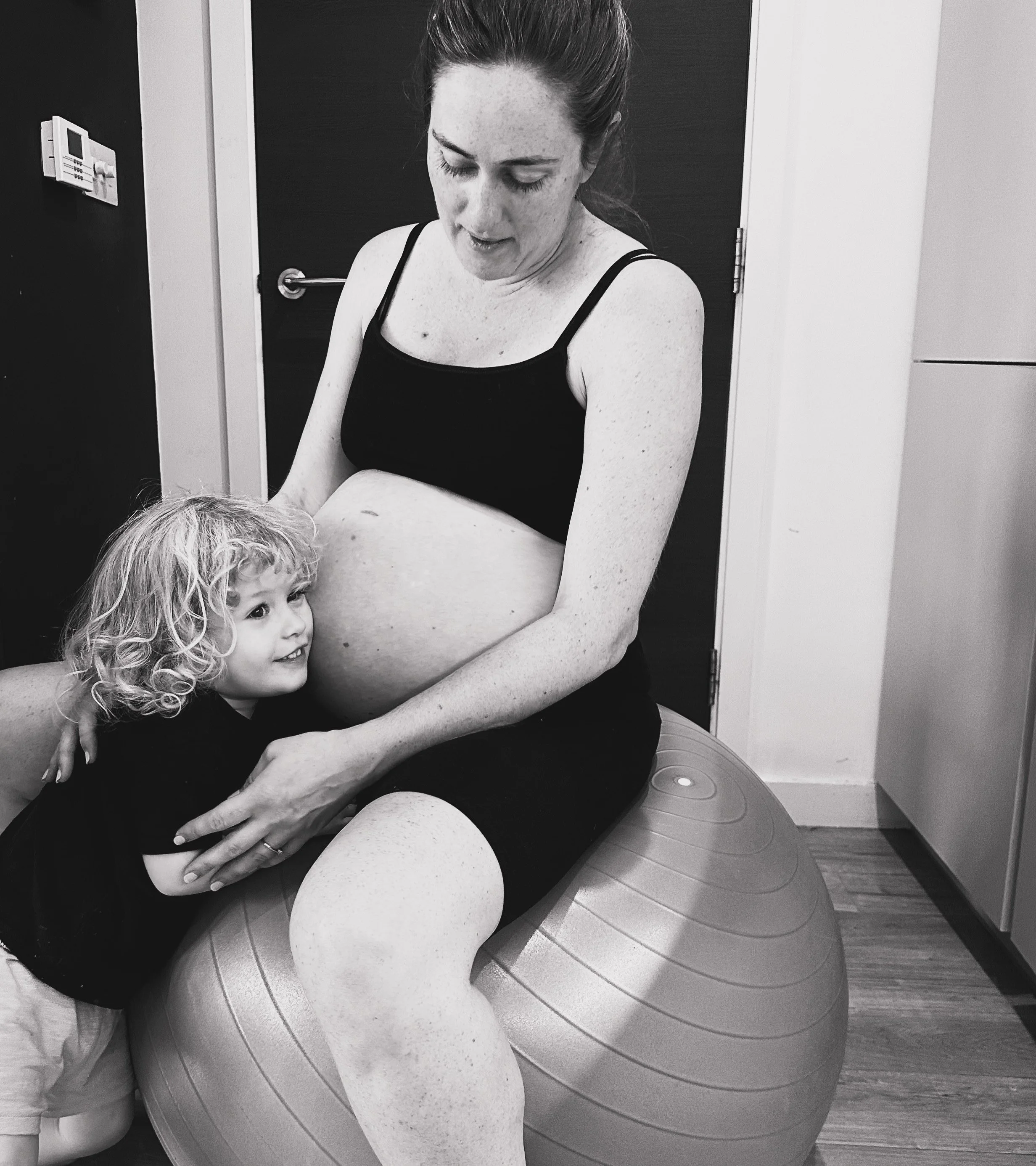
How accurate are due dates?
As it turns out, not very accurate. Only 5% of babies are born on their actual due date, with a huge proportion — roughly 85% — being born after their due date. Going past a woman’s due date is the leading reason an induction is offered at 40 weeks, and if that’s 85% of all pregnancies, then there’s a good chance that might be you. Understanding how your due date is calculated, and how accurate it is, is really important, as it can be a big determining factor in whether or not you feel comfortable accepting an induction on that basis alone.
Below, we’ll look at how your due date is calculated, how accurate it really is, and how beneficial it can be to reframe your due date as a due window.
In the 1800s, a German obstetrician named Franz Naegele worked out that pregnancy should last 10 moons — or 9 months and 7 days. This became known as Naegele’s Rule, and it is still how we calculate due dates to this day. The challenge with this method is that it assumes all women have a 28-day cycle with ovulation on the 14th day. We know this isn’t true — and you can easily verify it by asking a few of your friends! Once you’ve had a positive pregnancy test, you’ll usually go for an early dating scan to determine your due date. However, this scan has a margin of error of about ±5 days. Many friends and clients I’ve spoken to have had their scan date come back as earlier than the one they had worked out themselves.
There is also huge inconsistency globally. In the UK, a full-term pregnancy is considered 40 weeks. However, in parts of Europe, 41 weeks is considered full term. The World Health Organization (WHO) states that the average full term is anywhere between 37–42 weeks, with most babies being born at 41–41.5 weeks. Both of my babies were born at exactly 41 weeks.
The trouble all of this causes is that too much expectation and pressure gets placed on that single date. As you near the end of pregnancy, it’s only natural to want to finally meet your baby — so you begin putting added pressure on yourself for your baby to arrive. Well-meaning friends and family also start calling every other day (or so it feels!) to check if baby has arrived. From a medical perspective, as soon as you reach 40 weeks, your caregivers may begin talking about inducing labour. It’s important to remember that any induction is an attempt to bring baby into the world before they are ready, and there are significant potential repercussions of induction that need to be considered before making that decision. All of this pressure can easily feel stressful — and from everything we know about labour, stress is the one thing you do not want to be experiencing.
So, what can we do?
It’s helpful to think of your due date as a due window. As soon as you get your date confirmed, immediately add two weeks to it in your mind. This helps reframe it as a window, rather than a fixed point. If you can, plan a few outings or enjoyable activities for yourself and your partner during this time. This will help keep you busy and allow you to enjoy this waiting period rather than stressing about it. It’s such a precious time — one of the only moments in life where you truly have the gift of time with nothing scheduled. Hopefully, this helps you enjoy your final days of pregnancy instead of feeling anxious or tense.
Babies of longer gestation are also more mature when they’re born and are often better equipped to adjust to life outside the womb.
The affirmation – “Baby will come when baby is ready” is so helpful to remember x